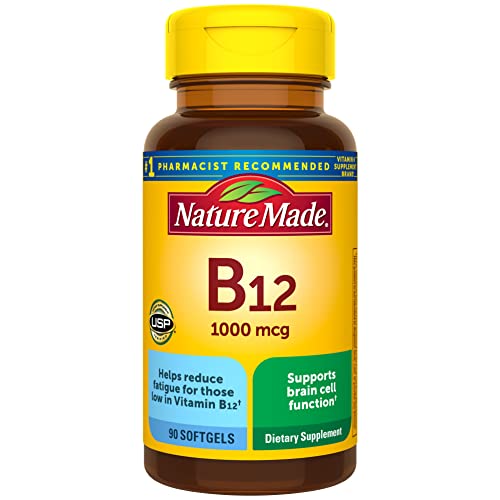
First up, we have B vitamins. These little powerhouses help your body convert food into energy. B12 is particularly important for energy production and keeping your nerves healthy. If you’re feeling sluggish, checking your B12 levels can be a solid step. You can find B vitamins in whole grains, meat, eggs, and leafy greens. Sometimes a supplement can help, especially if your diet lacks these foods.
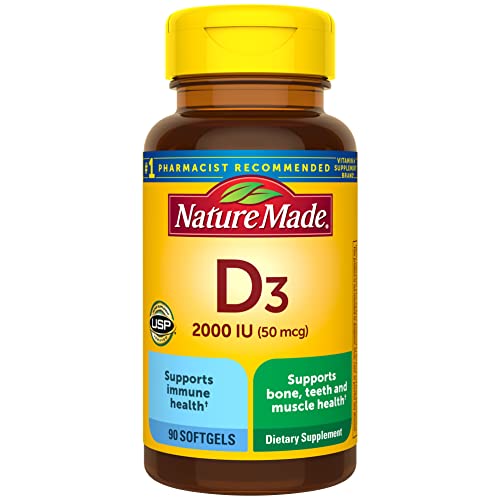
Next, let’s talk about Vitamin D. It does a lot more than support bone health. A good amount of Vitamin D can enhance your mood and energy levels too. If you’re not getting enough sunlight, you might want to consider a Vitamin D supplement. Trust me, it can make a noticeable difference in how you feel day-to-day.
Lastly, iron should be on your radar. Low iron levels can lead to fatigue and decreased energy levels. Foods like red meat, beans, and spinach are great sources. If you suspect you’re low on iron, an iron supplement might help perk you up. Just make sure to talk to someone about it so you get the right amount.
Incorporating these vitamins into your routine can really help boost your energy and overall well-being. Remember, finding the best vitamins for your needs isn’t just about any vitamin; it’s about the ones that specifically support your energy levels. So, take a closer look at these options and see what fits your lifestyle best!
Essential Nutrients for Immune Support
Keeping your immune system in tip-top shape is super important, especially when the seasons change. Certain vitamins play a crucial role in supporting your body's defenses. Here are a few essential nutrients that can help boost your immunity and keep you feeling your best.
Vitamin C: This vitamin is a powerhouse for your immune health. You can find it in citrus fruits, strawberries, and bell peppers. It helps your body produce white blood cells, which are key to fighting infections. Adding a vitamin C supplement can give you that extra boost, especially when you're feeling run down.
Vitamin D: Known as the sunshine vitamin, vitamin D is vital for immune function. Your body makes it from sunlight, but many people don’t get enough, especially in the winter. Foods like fatty fish and fortified dairy can help, but a good vitamin D supplement could be just what you need to support your immune health.
Zinc: While not a vitamin, zinc deserves a shout-out! It’s essential for keeping your immune system strong and helps in healing wounds. Meat, shellfish, legumes, and seeds are great sources. If you’re not getting enough from your diet, a zinc supplement might be worth considering.
Incorporating these vitamins into your routine can make a real difference. Whether through foods or supplements, make sure you’re getting what you need. After all, it’s all about finding the best vitamins for your needs!

Vitamins for Healthy Skin and Hair
Your skin and hair deserve some love too! It’s not just about creams and serums; the right vitamins play a huge role in making them look healthy and vibrant. If you're on the hunt for vitamins for your needs, focusing on a few key nutrients can make all the difference.
First up, let's talk about Vitamin E. This vitamin is a powerhouse for your skin. It helps protect against free radicals and UV damage. You'll often find it in lotions and oils, but getting it through your diet is even better. Think nuts, seeds, and green leafy veggies. Adding these to your meals can give your skin that extra glow.
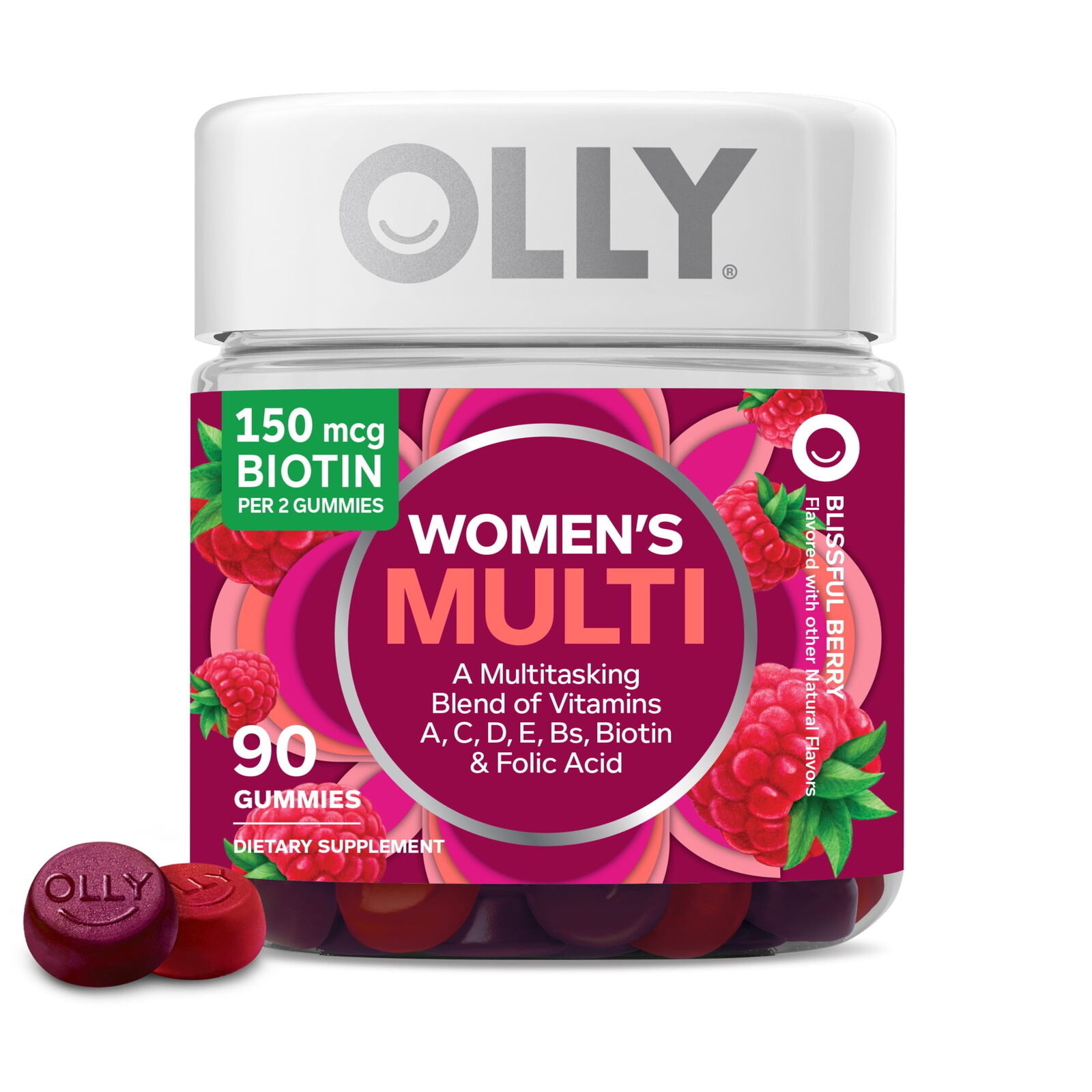
Then there's Biotin, often called the "beauty vitamin." It's fantastic for strengthening hair and promoting growth. You can find it in eggs, fish, and whole grains. If your hair feels brittle or dull, a boost of Biotin could help bring it back to life. Plus, it helps with nails too!
Last but not least, Vitamin A is a must for skin health. It helps with cell production, which keeps your skin looking fresh and youthful. Carrots are a great source, and incorporating them into your diet can really pay off. It's all about eating a variety of colorful foods to ensure you’re getting the vitamins for your needs.
So, if you want the best for your skin and hair, look for ways to include these vitamins in your routine. Whether it's through diet or supplements, you'll notice some fabulous changes before you know it!
Choosing the Right Vitamins for You
Choosing the right vitamins can feel overwhelming with all the options out there. It’s like walking into a candy store but instead of sweets, you see aisles of supplements. Start by thinking about your specific health goals. Are you looking to boost your immune system, improve your energy levels, or maybe support your skin? Narrowing down your priorities helps a ton.
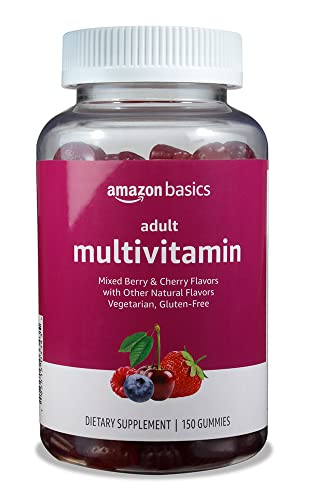
Next, consider your diet. If you eat a balanced diet rich in fruits, veggies, and whole grains, you might only need a basic multivitamin for those little extra boosts. But if you’re a picky eater or have dietary restrictions, you might want to focus on specific vitamins. For example, vegans might need extra B12, while those who don’t get enough sun may benefit from vitamin D. Tailoring your vitamins to your lifestyle is key.
Don’t forget to read labels! Look for high-quality brands that are transparent about their ingredients. Third-party testing is a good sign too; it means someone else checked their claims. Avoid fillers and unnecessary additives that don’t do anything for your health. This way, you’re getting exactly what you paid for.
Finally, consider talking to a healthcare professional. They can help you figure out what vitamins for your needs will work best for you, especially if you have health conditions or take medications. Getting personalized advice is always a smart move, and it can make a world of difference in your wellness journey.